
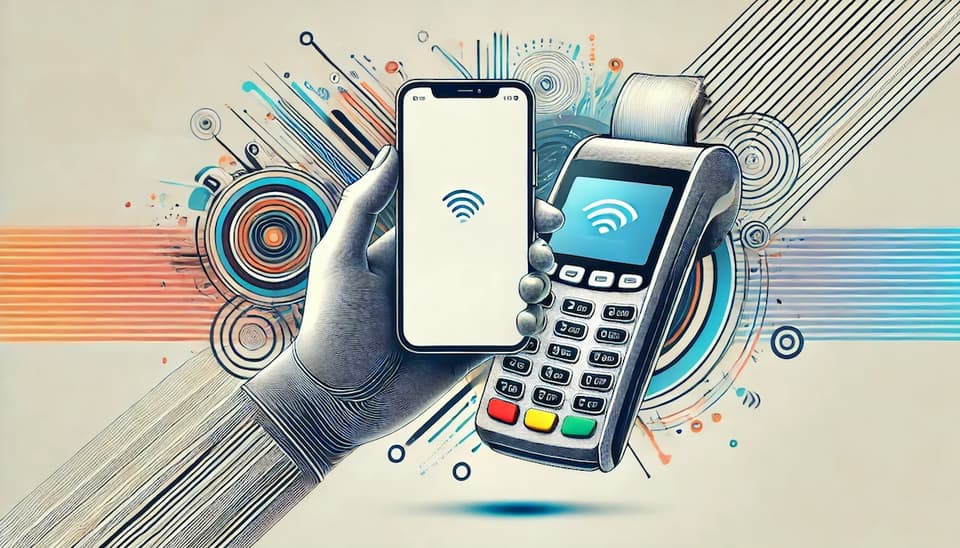
Apple Pay’s Global Push Ignites Mobile Wallet Showdown
Apple Pay, the tech giant’s mobile wallet solution, is preparing for another major global expansion. This bold move aims to secure market presence in high-growth fintech regions, especially in areas with high smartphone usage and emerging markets experiencing rapid digital adoption.
The expansion reinforces Apple’s ambitions as a dominant fintech force and sets the stage for an intense battle. The clash isn’t just about market share—it represents a deeper conflict between Apple’s secure, closed ecosystem and the more open, collaborative models adopted by rivals. The result could reshape how consumers, developers, and industries engage with mobile wallets worldwide.
Apple Pay vs. Samsung Pay: Setting the Stage
Previously focused on mature markets with dense iPhone user bases, Apple Pay is now targeting regions where competitors like Samsung Pay already have a foothold—markets such as South Korea, India, Russia, Australia, and Brazil.
While both Apple Pay and Samsung Pay offer convenient contactless payment capabilities, their strategies diverge:
- Security: Apple Pay emphasizes strong security, utilizing features like the iPhone’s Secure Enclave and biometric authentication (Face ID/Touch ID). This has earned user trust but restricts the service to Apple devices.
- Openness: Samsung Pay supports a broader array of NFC-enabled devices and partners widely with financial institutions, giving it traction in price-sensitive and device-diverse markets.
Beyond the Giants: Rise of Regional Fintechs
While Apple Pay and Samsung Pay headline the space, the global growth of mobile payments is fueling the emergence of regional fintechs. These players address localized needs, offering features such as:
- Offline payment options for areas with limited connectivity
- Micropayment capabilities for everyday small-value transactions
- Localized bank partnerships to simplify user onboarding
Other Noteworthy Contenders in the Wallet Space
- Google Pay: Seamlessly integrates with Google services and supports open APIs.
- Alipay and WeChat Pay: Chinese platforms offering full ecosystems beyond just payments.
- PayPal: Expanding mobile wallet offerings with an emphasis on cross-border payments.
- M-Pesa (Africa), Paytm (India), and GrabPay (Southeast Asia): Serving specific regional demographics and needs.
The Developer Factor: Will Apple Open Up?
Apple Pay’s global momentum brings developer relations into focus. The developer community will be watching to see if Apple opens its APIs to enable deeper mobile wallet integrations, following the example of Samsung Pay’s more inclusive ecosystem.
Open systems empower developers to build value-added services—like loyalty rewards, ticketing, and peer-to-peer payments—that extend the utility of digital wallets and enhance the overall user experience.
Innovation, Experience, and User Impact
For users, the growing competition promises faster innovation. Providers will likely invest in:
- Advanced security protocols to protect user data
- Smoother financial app integrations and faster transaction speeds
- Streamlined, intuitive interfaces
Increased competition may also lead to reduced transaction fees, clearer pricing models, and better user incentives. However, the road ahead involves significant challenges:
- Regulatory compliance around privacy and data protection
- Standardization across diverse financial infrastructures
- Addressing financial inclusion and digital literacy gaps in underserved regions
Distilled
The global mobile wallet landscape is entering a transformative phase. Apple Pay’s expansion is a key milestone, fueling innovation, fostering competition, and accelerating the rise of regional players. As mobile wallets evolve, they hold the potential to create a more inclusive, secure, and frictionless financial future for consumers around the world.