
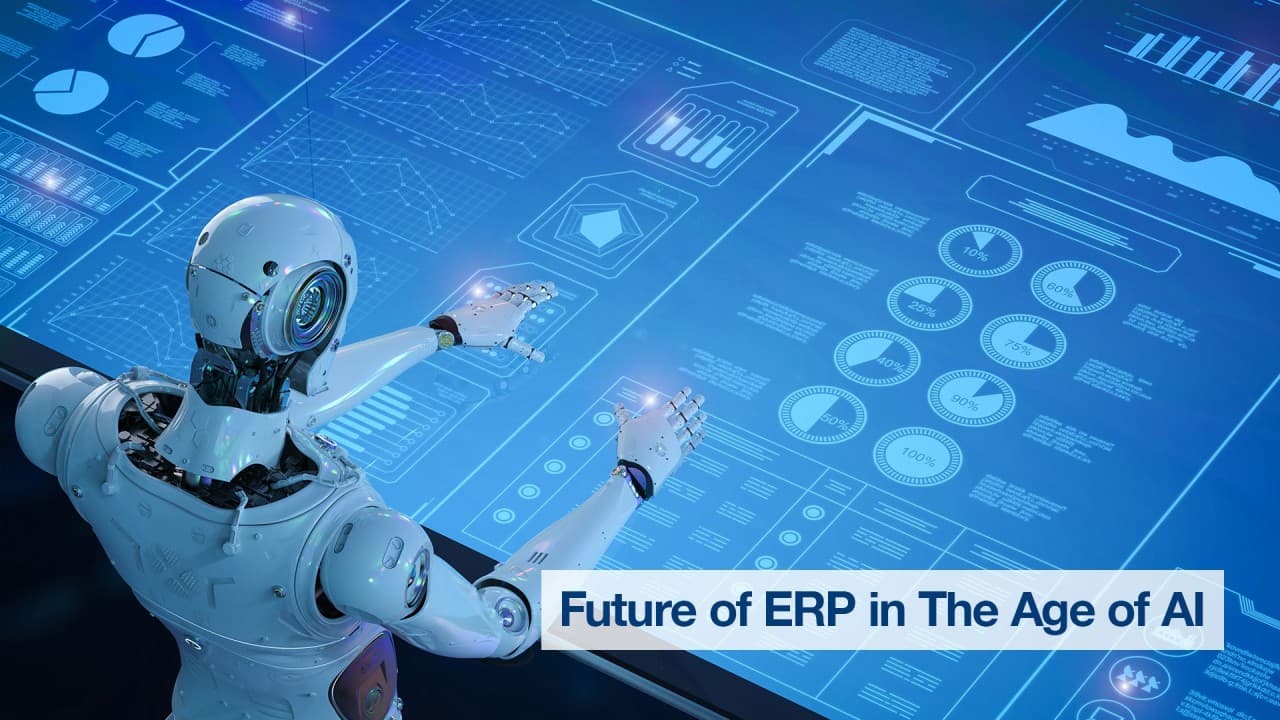
AI-Integrated ERP: The Promise, The Hype, and The Real Game-Changer for 2025
2025 marks a critical turning point for AI-integrated ERP systems. Once seen as futuristic promises, these systems are now reality—transforming business operations. But is this transformation truly revolutionary, or just another overhyped tech cycle? Here’s how organizations are navigating the shift.
1. The Case for AI in ERP – Efficiency or Overpromised Transformation?
AI-powered ERP platforms promise significant improvements: cutting operational inefficiencies by 30–50%, automating invoice processing, enabling predictive supply chain management, and streamlining production planning. While these claims are enticing, many executives remain cautious.
This caution isn’t unfounded. ERP upgrades are already known to be complex and costly. Adding AI introduces new technical challenges. According to Gartner, 60% of AI initiatives in ERP fail due to siloed data and integration issues. Despite ambitious growth projections for AI-ERP, executive hesitation continues to hold back broader adoption. Businesses want AI’s benefits—but fear the implementation risks.
2. What AI-ERP Actually Solves
Successful AI-ERP implementations are delivering measurable outcomes. Manufacturers reduce downtime by 20% via predictive maintenance. CFOs expedite invoice cycles from days to hours. Supply chains benefit from precision forecasting.
More importantly, AI integration is reshaping strategic thinking. Businesses are replacing gut-feel decisions with real-time, data-driven insights. ERP systems are no longer just repositories of information—they’re becoming active systems of intelligence that inform, guide, and adapt to operations dynamically.
3. The Executive Dilemma – Where Does Human Judgment Fit?
With AI-driven automation forecasting inventory needs and handling order fulfillment, the question arises: Where does human expertise fit in?
Smaller firms often struggle to replicate the success stories of companies like Siemens and Unilever. Executives face tough questions:
- Can AI explain its decisions in a way leaders trust?
- Will employees relinquish control to AI systems?
- How can organizations prevent AI from perpetuating bias?
Adopting AI-ERP systems raises existential questions that must be addressed before moving forward.
4. AI-ERP in 2025 – A Necessity, Not an Option
The competitive pressures of 2025 make AI in ERP no longer optional. Rapid decision-making, cost pressures, and demand for agility force businesses to evolve or fall behind. Companies across manufacturing and retail are implementing AI-ERP to gain predictive insight and automation efficiency.
Industries with heavy regulations, like finance and healthcare, remain cautious due to security and compliance concerns. However, leading-edge businesses are adopting hybrid models—leveraging AI for decision support while maintaining human oversight.
5. A Tipping Point for ERP
Whether 2025 becomes the breakthrough year for AI-ERP or the moment the hype fades will depend on execution. Companies must view AI as a foundational element of ERP—not a feature to consider later. Navigating this transition with clarity will be critical to avoiding costly mistakes.
Executive inaction is no longer an option. Implementing AI-powered ERP now will determine which businesses dominate operational efficiency in the next decade. Real-time intelligence is fast becoming the deciding factor for market leadership.
Stay informed on the latest advancements in AI, IoT, cybersecurity, and more by exploring ITech360hub.